
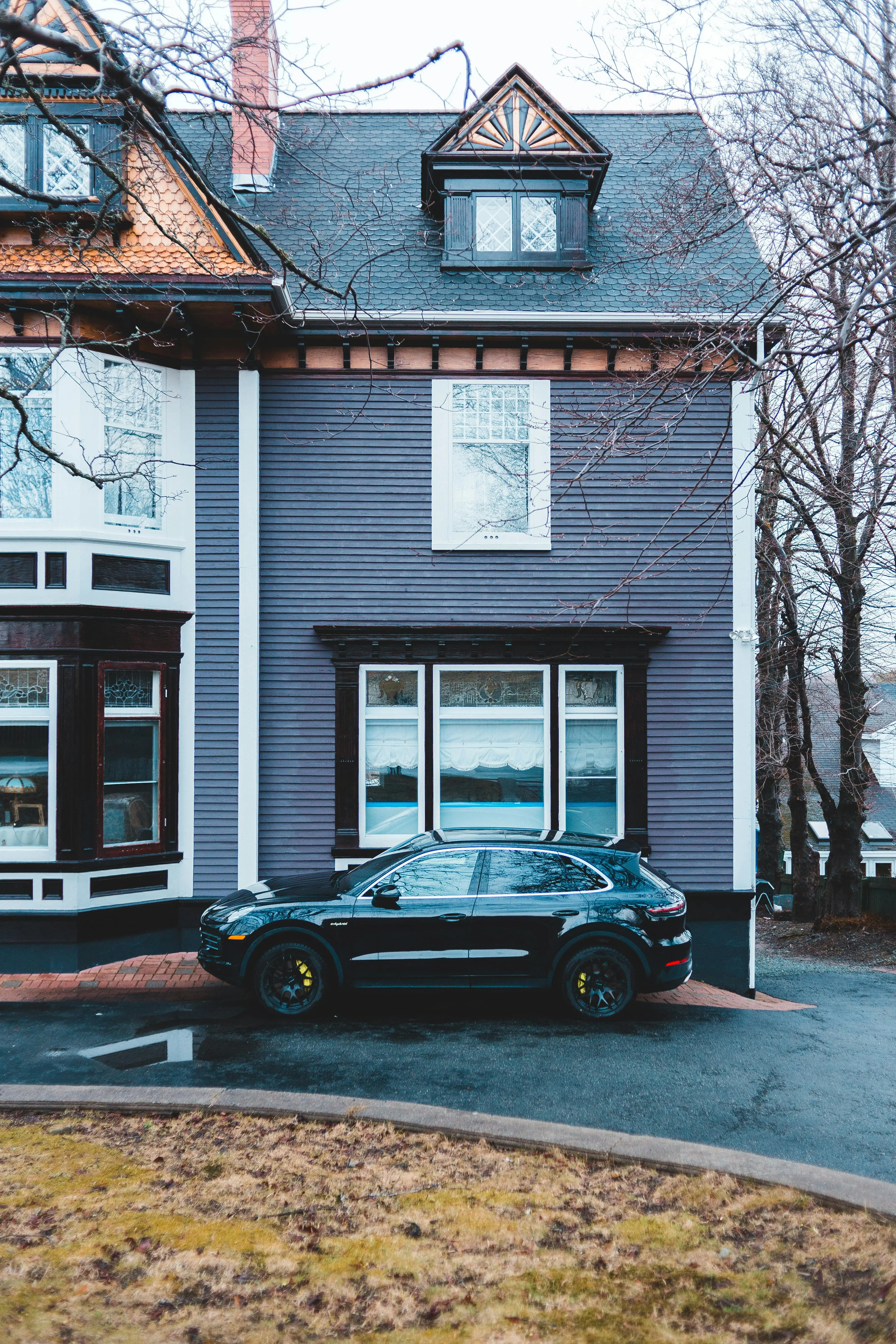
What is a Chip Seal Driveway?
Chip seal (also known as seal coat, tar and chip, or oil and chip) is a cost-effective driveway surface treatment consisting of a layer of hot liquid asphalt binder topped with a layer of crushed stone chips. The chips embed into the binder as it cools, creating a durable, textured surface. Originally developed for rural roads and highways, chip seal has become a popular residential driveway option for homeowners seeking an affordable alternative to full-depth asphalt or concrete.
Chip seal delivers a finished, weather-resistant driveway at roughly 30-50% of the cost of traditional asphalt or concrete. The textured surface provides excellent traction and a rustic, natural appearance that complements many home styles.
Chip Seal At-a-Glance
Chip Seal Driveway Cost Breakdown
| Cost Component | Price Range | Notes |
|---|---|---|
| Asphalt binder (emulsion or hot) | $0.50-1.50 per sq ft | Depends on binder type and application rate |
| Stone chips / aggregate | $0.30-0.80 per sq ft | Crushed gravel, limestone, or granite |
| Base preparation (if needed) | $0.50-2.00 per sq ft | Grading, compacting existing base |
| Installation labor | $0.70-2.50 per sq ft | Professional application recommended |
| Total installed (over existing base) | $2-5 per sq ft | 600 sq ft = $1,200-$3,000 |
| Total with new base | $3-6 per sq ft | When base work is required |
Chip seal costs vary by region, availability of materials, and contractor rates. Warmer climates with established chip seal markets often see lower prices. Always get multiple quotes before proceeding.
Installation Process
Chip seal driveway installation is faster and simpler than asphalt or concrete. Here is the typical process:
- Base preparation: Ensure existing gravel or dirt base is properly graded, compacted, and free of debris. Fix any drainage issues.
- Edge definition: Define driveway edges with string lines or stakes if needed.
- Asphalt application: Contractor sprays or spreads hot liquid asphalt (or emulsified asphalt) evenly across the surface at the specified rate.
- Stone spreading: Immediately spread crushed stone chips (typically 3/8" or 1/4" size) over the binder while it is still tacky.
- Compaction: Roll the surface with a heavy roller to embed chips into the asphalt and remove excess aggregate.
- Cleanup: Sweep or blow off loose chips from the surface after initial cure.
- Cure time: Allow 24-48 hours before light traffic; full cure takes several days to a few weeks depending on weather.
A typical 600 sq ft chip seal driveway can be completed in one day by an experienced crew. Curing and light traffic restrictions add 1-2 days before normal use.
Pros and Cons of Chip Seal Driveways
Pros
- Affordable: $2-5 per sq ft makes it one of the lowest-cost finished driveway options
- Quick installation: Often completed in a single day
- Good traction: Textured surface provides excellent grip in rain and snow
- Weather resistant: Seals the surface against water penetration and frost damage
- Rustic aesthetics: Natural stone chip appearance suits rural and country-style homes
- Can be resurfaced: Additional chip seal layers can extend lifespan
Cons
- Shorter lifespan: 7-10 years vs 20-30+ for asphalt or concrete
- Loose chips: Some aggregate may come loose initially; occasional respreading needed
- Rough texture: Not as smooth as asphalt or concrete; can be harder on tires
- Requires good base: Performance depends on proper base preparation
- Temperature sensitive: Best installed in warm, dry weather
Maintenance Tips
Regular Maintenance
- Sweeping: Remove leaves, debris, and loose chips periodically
- Re-spread chips: Push loose chips back into low spots or bare areas as needed
- Seal coating: Apply liquid sealant every 3-5 years to extend lifespan and refresh appearance
- Oil stain treatment: Clean oil spills promptly to prevent binder softening
Seasonal Care
- Winter: Use sand instead of salt for traction when possible; salt can accelerate wear
- Spring: Inspect for cracks, potholes, or damaged areas; repair early
- Summer: Avoid parking hot vehicles in one spot for extended periods
- Fall: Clear leaves and organic matter to prevent staining and moisture retention
Chip Seal vs Asphalt, Gravel, and Concrete
| Feature | Chip Seal | Asphalt | Gravel | Concrete |
|---|---|---|---|---|
| Cost per sq ft | $2-5 | $4-8 | $1-3 | $6-15 |
| Lifespan | 7-10 years | 20-30 years | Indefinite (regrade) | 30-50+ years |
| Surface | Textured, rustic | Smooth | Loose aggregate | Smooth or stamped |
| Maintenance | Low-Moderate | Low | High | Low |
| Install time | 1 day | 2-3 days | 1-2 days | 1-2 weeks |
Frequently Asked Questions
A chip seal driveway typically costs $2-5 per square foot installed. For a standard 600 sq ft two-car driveway, expect $1,200-$3,000. Costs are lower when applied over an existing solid base.
Chip seal driveways typically last 7-10 years with proper maintenance. Resurfacing with additional chip seal layers or seal coating every 3-5 years can extend the lifespan.
Chip seal provides a more stable, finished surface than loose gravel. It reduces dust, prevents potholes, improves traction, and gives a more polished look while remaining budget-friendly. Gravel is cheaper initially but requires constant regrading and replenishment.
Yes. Chip seal works well over a compacted gravel or dirt base, and can also be applied over aged asphalt in good condition. It is not suitable over concrete. The existing surface must be sound, well-drained, and free of major damage.